The Top 10 Golden Rules of Toilet Hygiene for a Cleaner Bathroom
Want to make your bathroom cleaner and safer? Learn the golden rules of toilet hygiene here.
This article provides simple and effective tips, including basic hygiene rules, to help you reduce germs and keep your bathroom spotless.
Key Takeaways
- Opt for the first stall in public bathrooms as it tends to be cleaner due to less frequent use.
- Always use a barrier, such as a tissue or paper towel, to avoid direct contact with high-touch surfaces, such as door handles and faucets.
- Carry your own tissues or toilet paper stash to avoid unpleasant surprises and ensure better hygiene.
- Establish hygiene rules within the family to ensure all members are educated about sanitary habits, reinforcing the idea that maintaining cleanliness is a collective responsibility that benefits everyone's health.
Importance of Good Toilet Hygiene
Toilet hygiene is crucial to maintaining a clean and healthy environment, whether at home or using public restrooms. Good toilet hygiene can help prevent the spread of disease-causing germs and bacteria, reducing the risk of illness and infection.
The golden rules and tips we will share in this guide can make a huge difference in keeping your bathroom clean and hygienic for yourself and others. Remember, a little effort goes a long way in creating a healthier environment and preventing the spread of germs.
Essential Supplies
Having the right essential supplies is vital for maintaining good toilet hygiene. First on the list is a trusty toilet brush, which is indispensable for scrubbing the toilet bowl and keeping it free from grime. Next, toilet paper is a must-have for personal hygiene, ensuring you are always prepared. A good toilet cleaner is essential for disinfecting and cleaning the toilet seat, bowl, and surrounding areas, making sure everything stays spotless. Paper towels are also handy for quickly wiping down surfaces and cleaning up any spills.
Having a steady supply of soap, warm water, and a clean towel promotes good hand hygiene and helps prevent the spread of germs. With these tools in your arsenal, you are well-equipped to maintain a clean and hygienic bathroom. Now, let's get started on the golden rules for better toilet hygiene.
Choose the Cleanest Stall
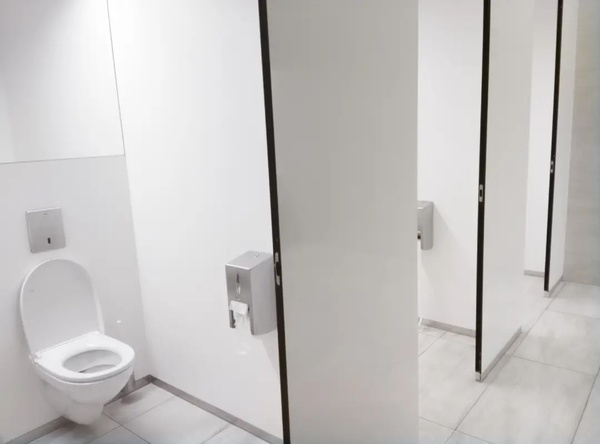
When faced with a row of stalls, which do you choose? If you are like most, you probably head straight for the middle. But here’s a tip that might surprise you: the first stall is usually the cleanest. It seems counterintuitive, but because of our “centrality preference,” those middle stalls actually see more action. So, the next time you decide where to stop your pit, remember that the first stall is your best bet for avoiding unwanted germs.
Of course, cleanliness goes beyond just picking the right stall. Be careful with visual cues and eye contact. If a stall looks neglected, it’s a safe bet that it’s harbouring more than its fair share of bacteria. Trust your instincts and choose a cabin that looks cared for. It’s all about minimising your exposure to the unpleasant and unseen inhabitants of public toilets with a little bit of strategic thinking.
Limit Contact with Surfaces
Let’s talk about touchpoints. Every door handle, every faucet, and even the toilet paper dispenser is a potential party spot for pathogens. But you can outsmart those pesky germs with a simple sleight of hand. Before touching any surface, grab a tissue or wipe. Think of it as a protective glove between you and the grime.
After washing your hands, which we’ll get to in a moment, do not negate all your good work by grabbing that door handle bare-handed. A paper towel is your exit ticket here, keeping your freshly cleaned hands pure as you make your escape. And remember, rubbing your eyes or touching your face after leaving the washroom is a definite no-go. Why invite trouble when you have just dodged a bullet? Also, avoid touching your food without properly washing your hands after using the toilet to ensure health within households.
Bring Your Own Toilet Paper
Picture this: you are in a public toilet and reach for the toilet paper, only to find the dreaded cardboard roll staring back at you. Panic? Not if you have come prepared with your own stash of tissues or paper towels. Personal toilet paper is not just a soft touch for your skin; it’s a shield against the questionable quality and potential scarcity of public supplies.
Carrying a portable pack of tissues is like having a bathroom security blanket. It’s not just comforting; it’s a smart move. You will never have to face the awkward dance of trying to make do with what’s left on the roll—or worse, nothing at all. Plus, let’s be honest, your own toilet paper is probably much kinder to your skin than anything you will find in a public stall. Remember to replace the toilet roll once it is finished to avoid this common frustration.
Use Toilet Cleaner and Brush
Now, we know what you are thinking, but hear us out. If you are responsible for a shared bathroom at work or if you find yourself in a less-than-stellar stall, doing a quick clean can be a lifesaver. Warm and damp conditions are like a day spa for germs, so a little scrub can go a long way in keeping things sanitary.
Using a disinfectant is the secret weapon here. It’s not just about making things look shiny; it’s about annihilating those germs where they breed. A regular rendezvous with a toilet brush can prevent a much larger mess later on in the toilet bowl. Think of it as doing your part to keep the peace in the porcelain kingdom, including maintaining a clean toilet seat. Don't forget to clean every area methodically to ensure nothing is overlooked.
Wash Hands Thoroughly
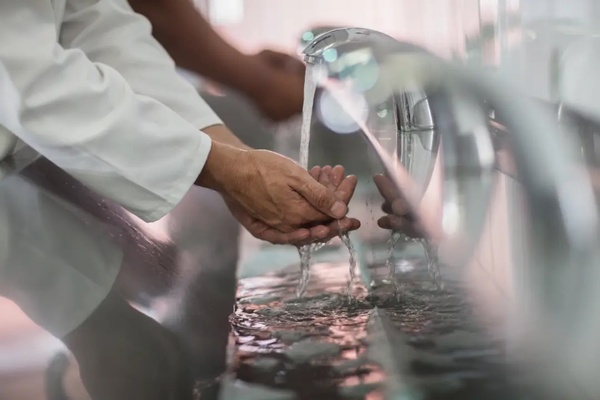
We have all heard it before—wash your hands. But are you doing it right? The key is to be thorough. Here’s how to wash your hands properly:
- Start by getting your hands wet with clean, running water.
- Bring in the soap and lather up.
- Make sure you are scrubbing everywhere—backs of hands, between fingers, under nails.
- It’s like a mini massage that keeps you healthy, so why cut it short?
Additionally, don't forget to disinfect taps, as they can harbour germs and contribute to the spread of bacteria.
Now, for the grand finale. Here’s how to properly wash your hands:
- Scrub for at least 20 seconds. How long is that, you ask? Hum the ‘Happy Birthday’ song twice, and you are golden.
- Rinse off all soap under clean water.
- Dry those hands well. A damp hand is like a welcome mat for germs, and we are not looking to roll out the red carpet for those uninvited guests.
Dispose of Feminine Hygiene Products Properly
Disposing of feminine hygiene products is a task that demands respect and responsibility. Flushing them is a no-no; it's bad for plumbing and even worse for the environment. It's essential to use the sanitary bins provided for hygiene and to comply with waste management regulations.
But it's not just about tossing it in the bin and calling it a day. Wrapping it up properly is part of the deal. It's about reducing health risks and being considerate of the next person. Plus, businesses must handle these items professionally, ensuring licensed carriers deal with them.
For London workplaces, partnering with specialist feminine hygiene services in London keeps bins compliant and odour-free.
Avoid Putting Personal Items on the Floor
Ever dropped your bag on a public bathroom floor and then reached inside for your lip balm? You might as well have rolled it around in the loo. Bathroom floors are a hotspot for some nasty bacteria and dirt that can stick around long after leaving. These microbes are not just passing through; they are setting up camp and inviting their friends over for a party.
So, what's the solution? Keep your belongings off the floor. Use a hook or shelf, or even balance it on your lap if necessary. It's a simple move that can save you from a world of icky infections. Remember, your bag does not need to experience the bathroom floor to understand what it's like down there.
Flush Correctly
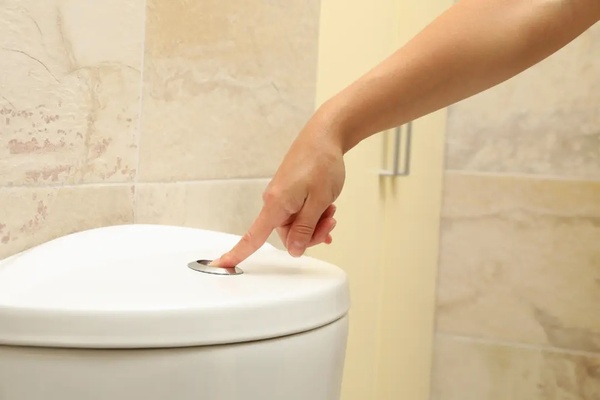
You might think flushing is as straightforward as it gets, but there's a right and wrong way to do it. The trick is in the lid—close it before you flush. It's a small step, but it makes a huge difference in keeping those germ clouds from staging a bathroom takeover.
If you are worried about touching the flush handle, just use a piece of toilet paper as a barrier. It's a neat little trick to keep things hygienic without having to do any fancy manoeuvres. Remember, flushing is like putting a cap on your drink—it's all about correctly keeping the unwanted stuff out.
Respect Shared Spaces
Imagine walking into a public bathroom that’s sparkling clean, smells fresh, and feels like a safe space. It’s not a pipe dream; it’s what happens when we all play by the golden rules of toilet etiquette. Keeping a washroom tidy is a sign of respect, not just for the next person, but for yourself as well. It’s about taking pride in shared spaces and acknowledging that we are all in this together. Taking a moment to break for personal care in such a clean environment can also provide a brief escape from daily stresses.
Every little action contributes to a more pleasant bathroom experience for everyone, from wiping up splashes to reporting issues. And here’s the kicker: you do not have to spend ages in the stall to be considerate. Be quick, be clean, and be on your way, knowing you have left the room better than you found it.
Be Prepared When Travelling with Kids
Any parent will tell you that travelling with kids is an adventure in itself. Now, add public bathrooms to the mix, and you have got a recipe for mayhem—or do you? With a little preparation, you can tackle any pit stop with ease. Talking about hygiene practices with your kids is also crucial to ensure they understand the importance of cleanliness.
Carry hand sanitiser for those times when soap and water are elusive. And if you are really in the trenches, remember that bottled or boiled water can be a lifesaver for drinking and cleaning up.
Additional Tips
In addition to following important toilet hygiene rules and having the right essential supplies, there are several other tips that can help maintain a clean and hygienic bathroom.
Always put the toilet lid down after use to prevent the spread of germs. Respect other members of the household by cleaning up after yourself, and avoid putting personal items on the floor to keep them germ-free. In public restrooms, limit contact with surfaces and quickly wipe down the toilet seat and bowl after use.
Regular cleaning and disinfecting of the toilet, sink, and shower can also help prevent the buildup of grime and bacteria, making it easier to maintain a clean and hygienic bathroom. By following these simple tips and being mindful of toilet hygiene, you can help prevent the spread of disease-causing germs and maintain a clean and healthy environment for everyone.
Summary
After diving into the depths of public toilet hygiene, we have surfaced with a treasure trove of golden rules that, when followed, can make any bathroom visit a cleaner and more pleasant experience. From choosing the right stall to proper flushing etiquette, it’s clear that a little knowledge and a lot of consideration for others can go a long way in maintaining a hygienic environment. It's important to remember that while some hygiene rules may seem obvious, they are essential for proper hygiene and respecting others in shared bathroom spaces.
So, next time you venture into a public washroom, remember these tips. They are not just about keeping the bathroom clean but about keeping you healthy.
Frequently Asked Questions
What's the most important thing to remember when using a public toilet?
The most important thing when using a public toilet is to minimise contact with surfaces to reduce germ transmission. Use tissues or wipes to touch handles, and remember to close the lid when flushing to prevent the spread of bacteria.
Can I trust the soap provided in public washrooms?
You can generally trust the soap provided in public washrooms, but it's a good idea to carry your own hand sanitiser as a backup, especially when travelling with kids.
Is it really necessary to bring my toilet paper to public restrooms?
Yes, bringing your toilet paper to public restrooms is necessary to ensure you have a reliable and hygienic option available. It can also save you in situations where the provided paper is of low quality or unavailable.
How can I ensure I have disposed of feminine hygiene products properly?
To ensure proper disposal of feminine hygiene products, always use the designated sanitary bins and wrap the product before throwing it away. This will reduce health risks and maintain a tidy environment for others.
How can I teach my children about public toilet hygiene?
Lead by example and explain the importance of each step, from choosing the cleanest stall to washing hands thoroughly. Make it a fun learning experience for them.